

Swatchbox recently spoke with Philadelphia-based designer Annemarie Casino on bringing warmth, honesty, and longevity back into modern spaces.
The strict minimalism of the early 2010s has softened. Spaces still value restraint and clarity, but the surfaces are warmer, more grounded, more considered. The clean lines stayed, but what changed was everything filling them. And the designers paying closest attention will tell you that the materials doing the most interesting work right now are not new ones.
Wood, stone, plaster, terracotta, linen, unlacquered brass. These materials have been specified for centuries, and they are showing up again in spaces that are otherwise thoroughly contemporary. The question worth asking is why, and what it takes to get it right.
Materials with Character
Traditional materials are defined by their long-standing presence in the built environment.
Wood, stone, plaster, brick, terracotta, clay, woven fibers, and metals like bronze and brass that develop a patina over time. Many of these are also natural in origin, and that overlap is worth paying attention to. The natural composition tends to be exactly what gives them their depth, their longevity, and the quality that makes a room feel genuinely settled rather than recently assembled.
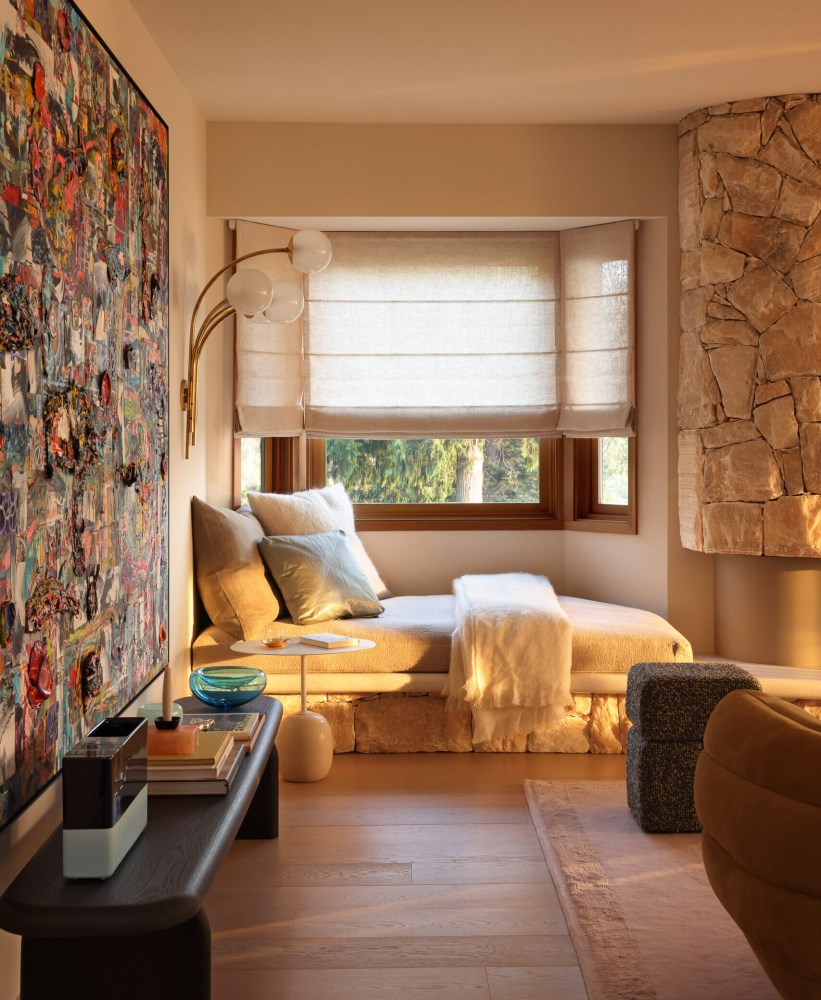
Acropolis House by Falken Reynolds - Image Credit: Ema Peter
Interior designer Annemarie Casino feels that traditional materials can bring a certain warmth to a space: "A lot of contemporary spaces are designed to be very clean and minimal. So adding contrast with warmth makes spaces feel visually welcoming."
That warmth often comes from the subtle irregularities of natural materials: woodgrain that never repeats, linen that softens with use, stone that carries quiet variation across its surface.
The effect goes beyond what you see. Woodgrain, honed stone, and natural textiles engage touch as much as sight. They bring something lived and felt into spaces that might otherwise feel entirely abstract. "There's an authenticity to it," Annemarie says. "That human touch is important to keep the balance of a contemporary space." Synthetic materials, however technically capable, tend to struggle with exactly this sense that a surface has a history – and a future.
It's also worth separating traditional materials from traditional style. Using oak doesn't commit you to Victorian detailing. Specifying limestone doesn't require a classical cornice. Traditional materials are a toolkit, not a look.
Truth in Materials
Whenever possible, Annemarie designs by the "truth in materials" principle: the idea that a surface should be used for its inherent properties and allowed to express its natural character. "I think the root of a traditional material is that it just is what it is. That's what makes it feel authentic and warm," she says.
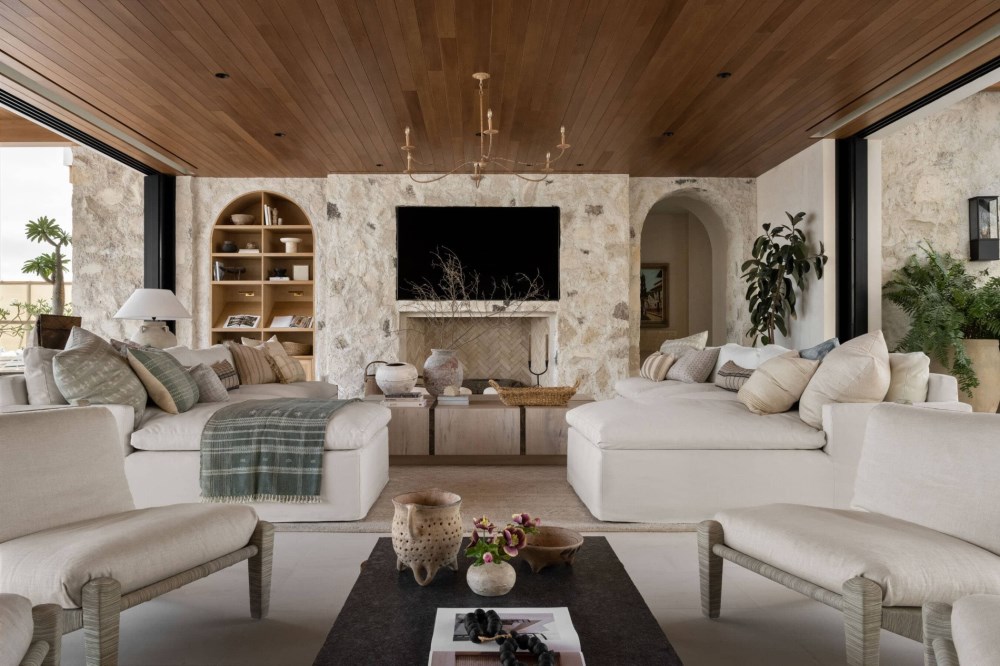
Cabo dos Vistas by Brandon Architects and Studio McGee - Image Credit: https://studio-mcgee.com
In practice, the path to that feeling isn't always a straight line. Performance requirements, exposure conditions, and budget realities all shape what ends up specified. Wood-look aluminum is an excellent choice for an exterior that needs to hold up in all weather. A convincing laminate can do wonders where a real wood surface simply wouldn't last.
"There are times and places where those materials make sense," Annemarie explains. "Things like laminate and even quartz countertops have come a long way. It's really just picking and choosing the ones that feel a little more authentic rather than not using the material at all." The goal isn't purity, but intentionality – choosing materials, whatever they're made of, that serve the space rather than undermine it.
A Sustainable Choice
The industry has been arriving at the same conclusion from a different direction. LEED v4 and frameworks like the Living Building Challenge increasingly reward material transparency and biogenic content, pushing designers toward natural options whether they're pursuing formal certification or not. Traditional materials tend to satisfy these requirements more straightforwardly than synthetic counterparts. More responsible, and in practice, often more efficient to specify.
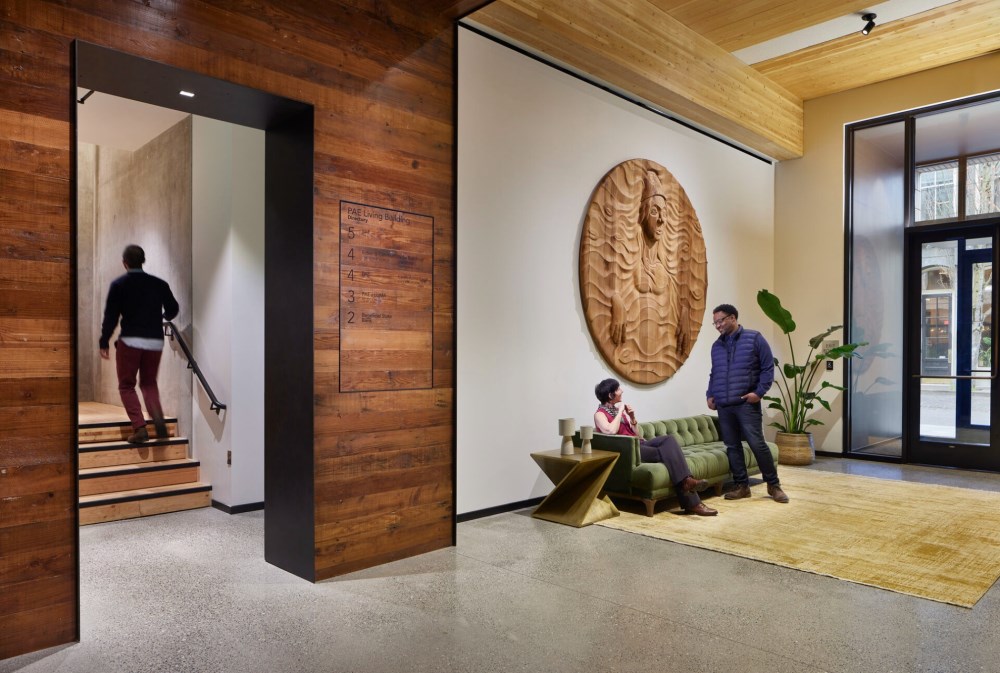
PAE Engineers Living Building by ZGF Architects - Image Credit: Benjamin Benschneider
There's a longer view here too. "People are finding more value in using traditional materials because they can be refinished," Annemarie notes. "They're timeless. They last a lot longer." In a design culture shaped by rapid trend cycles, durability has started to function as its own form of responsibility. Choosing materials that improve with age rather than expire isn't just a design decision. It reflects a longer view of durability, value, and responsibility.
Traditional Materials in Practice
Using traditional materials in contemporary designs require a bit of creative thinking. A heavily ornamented wood cabinet can feel locked in another era. The same wood, used cleanly in flush paneling with minimal hardware, sits easily in a modern interior. With stone, Annemarie favors honed over polished, staying closer to how the material actually looks. With metals, the thinking is the same. "For so long, brass was considered dated," she says. "But when you take away the lacquer and let it patina over time, it feels settled. Not staged."
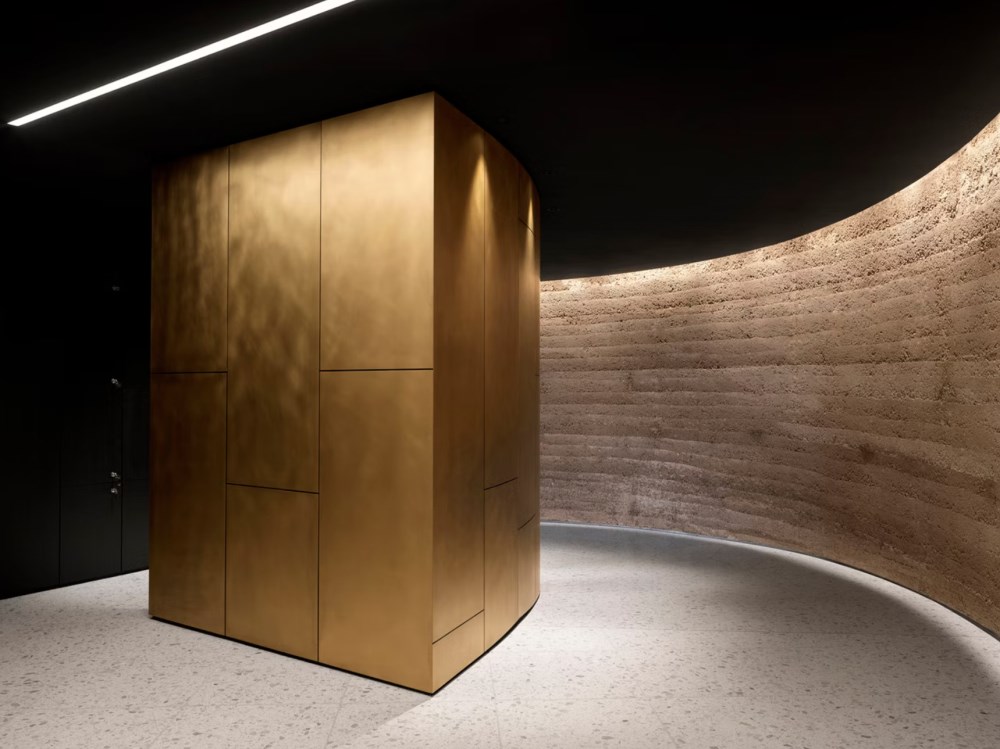
LAUFEN Forum by Snøhetta - Image Credit: Pierre Kellenberger
Her comfort with visible wear extends this further. "Let leather age. Let textiles wear," she says. "Those imperfections tell a story." A space stays timeless by evolving gracefully. The patina on a brass handle or the worn corner of a leather chair becomes part of the design rather than evidence of neglect.
Context shifts the conversation, too. What works in a residential powder room can fall apart in a hotel lobby. A honed marble that develops beautiful character at home can read as neglected in a commercial space where hundreds of people move through it every day. Annemarie often specifies more durable treatments for commercial work while preserving softer, more expressive finishes for residential projects. Sealed hardwood in an office. Natural-oiled wood in a home that will age more slowly and more gracefully. The material philosophy stays consistent, but the approach is tailored to each project.
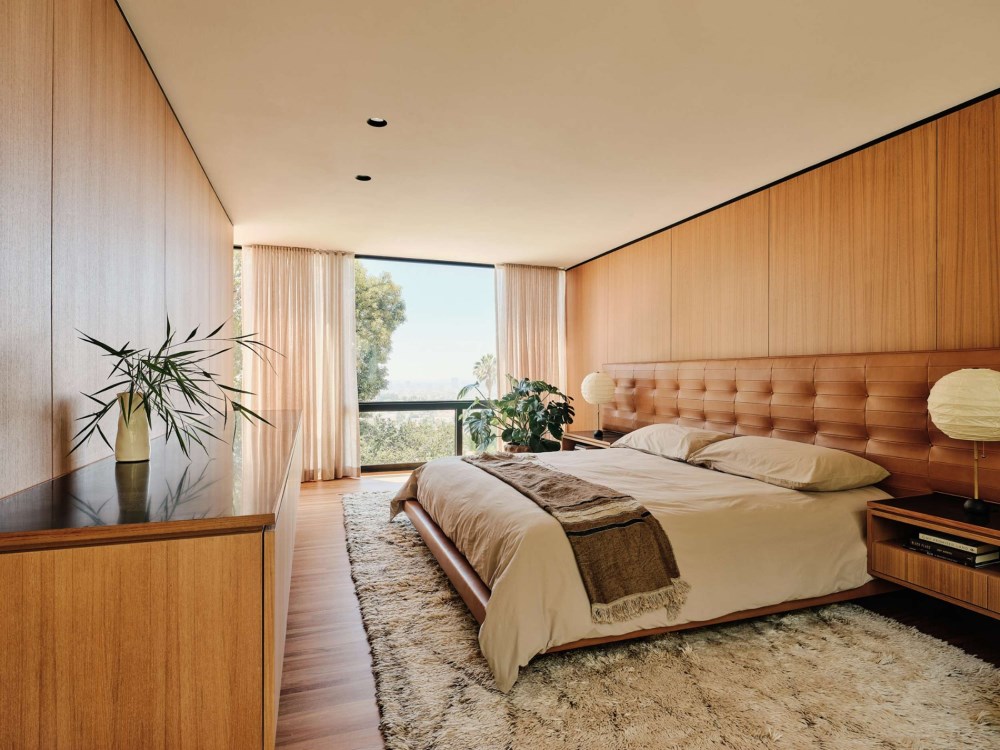
Moore House by Woods + Dangaran - Image Credit: Joe Fletcher
Moving Beyond Trends
The case for traditional materials was never really about aesthetics. It's about longevity, honesty, and the kind of warmth it naturally brings. Used with clarity and intention, these materials can make a space feel timeless.
In a design landscape shaped by the pressure to keep up, choosing materials that will still feel right in twenty years is one of the most deliberate decisions a designer can make.
--
The best material decisions start with a sample in hand. Browse and request free samples on Swatchbox Pro.
--
 Swatchbox is a premier sample fulfillment service for building product manufacturers. With proprietary software designed by insiders of the design community, Swatchbox helps manufacturers improve product sales and brand affinity by delivering material samples to the design community with speed, intelligence, and style. Learn more and join Swatchbox at www.swatchbox.com.


Comments