

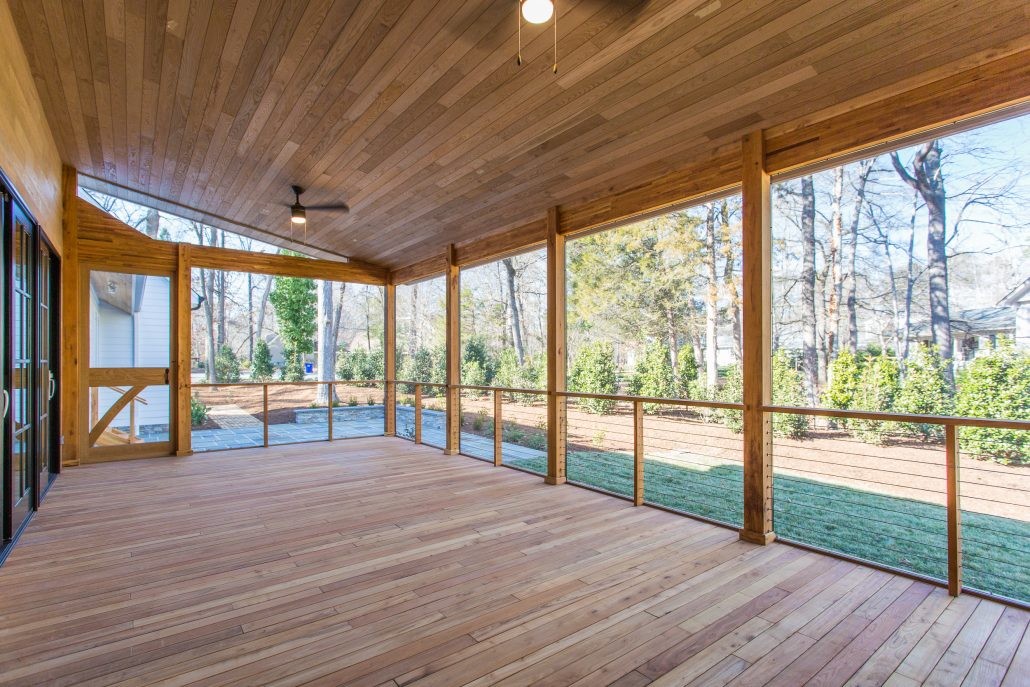
Note: This article was written in collaboration between BIMsmith and Robi Decking, a premier supplier of sustainable outdoor wood products.
Outdoor wood specification has been shaped for decades by a fairly narrow set of options: chemically treated softwood, a handful of West Coast species, and tropical hardwoods prized for their density and longevity. Lately, that list has started to widen. Architects working on decking and siding are giving more weight to where a material comes from and how it was grown, not just how it performs once installed, and that shift has opened the door to species that check both boxes at once.
Weighing the Common Options
Pressure-treated pine remains a popular choice for exterior projects, largely because it's inexpensive and widely available. Its rot resistance comes from chemical treatment rather than the wood itself, and actual service life varies considerably depending on treatment level, installation quality, climate, and maintenance, so it's worth evaluating on a project-by-project basis rather than assuming a fixed lifespan.
Western cedar, redwood, and cypress are longtime staples of exterior wood construction, and for good reason. Their performance varies meaningfully by species and even by grade, USDA Forest Products Laboratory data draws real distinctions between them, and between old-growth and younger material within the same species. Properly specified and maintained, they remain a legitimate option for many projects.
Tropical hardwoods like Ipe have long been specified where maximum hardness and durability are the priority, and the material itself has a well-earned reputation for performance. What's changed in recent years is the sourcing conversation around it. Growth cycles for tropical species are long, and regulatory scrutiny around several tropical timber species has increased, prompting more designers to look at domestic alternatives for applications where imported hardwood was once the default.
Native Hardwoods Worth Considering
Black Locust and Sassafras, two hardwoods native to the eastern United States, are part of that shift. Robi Decking specializes in these two species, built around the same two questions architects are increasingly weighing: how the wood performs outdoors, and where and how the trees grow.
Black Locust (Robinia pseudoacacia) is a dense hardwood. It's a nitrogen-fixing pioneer species, meaning it improves soil quality as it grows and regenerates readily from its own root system. It reaches harvestable size in 20 to 40 years, considerably faster than tropical hardwoods. The wood contains naturally occurring extractives that contribute to its resistance to decay, fungal growth, and insect damage. These properties are present in the wood itself rather than added through treatment. Freshly milled, it runs blonde to light reddish brown, with a tight, detailed grain.
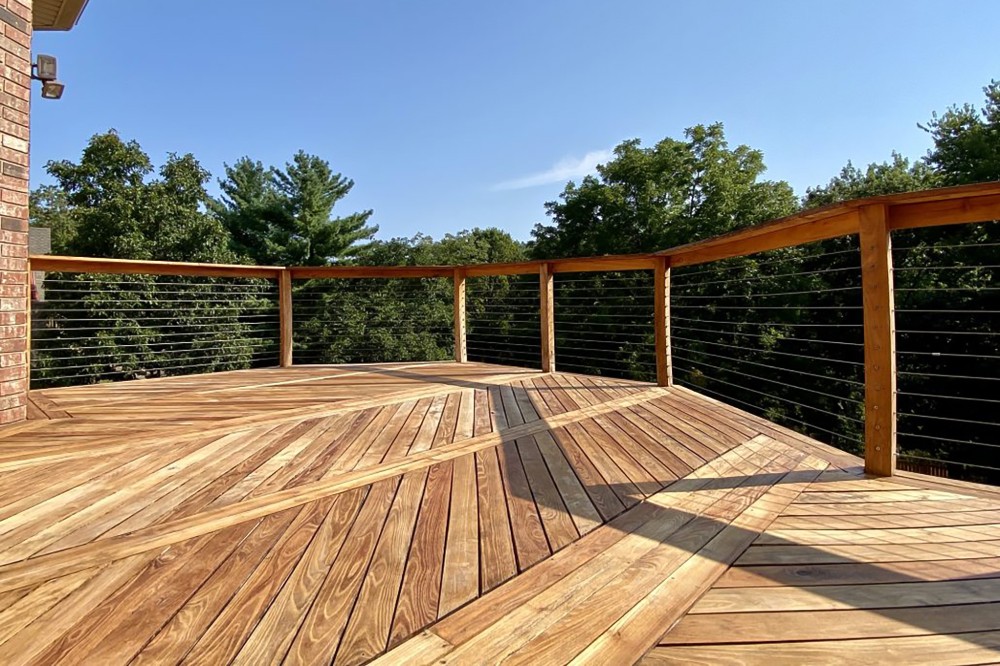
Sassafras (Sassafras albidum) is the less familiar of the two species. It's a straight-grained hardwood with a lighter brown color, a softer working profile, and a lower price point. It machines easily, takes fasteners without the same pre-drilling demands as denser hardwoods, and is naturally resistant to decay, a real advantage over untreated softwoods. For siding, screens, fencing, and lighter-duty decking applications where a warm, easily worked domestic hardwood is the goal, Sassafras is a solid choice.
Appearance and Weathering
Left unfinished, both species weather to a silver-gray patina over time, typically within the first year of exposure. The decay-resistant compounds are distributed through the wood rather than concentrated at the surface, so weathering doesn't compromise structural performance.
There are two general approaches to finishing, and the right one depends on the look a project calls for. Left alone, the wood weathers naturally to gray. For those who want to retain the original warm tone, an oil or water-based finish can be applied periodically. How often depends on sun and weather exposure, the specific product used, and the finish manufacturer's recommendations, rather than a fixed annual schedule.
Hardness is where the two species diverge most, and it's worth planning around before work begins on site. Black Locust carries a Janka rating of 1,700 lbf, harder than most domestic hardwood species, which is worth noting for installation planning. Pre-drilling fastener locations and using carbide-tipped blades are standard practice for material this dense, the same as with any comparable hardwood. Sassafras, at 630 lbf, is considerably easier to install.
Specification
Decking is where both species are most established. Black Locust comes in standard nominal sizes (2x6, 2x4, 5/4x6, 5/4x4, 1x6, 1x5, 1x4), with custom sizing available on request, while Sassafras is stocked in 2x6, 2x4, 5/4x6 and 5/4x4. Both are graded on the presence of knots, checks, and color variation, with higher grades running cleaner and more uniform and lower grades carrying more natural character, which plenty of designers prefer for the visual interest it brings across a run of boards. For rooftop terraces and other modular applications, Robi Decking also mills deck tiles from shorter offcuts, putting material that would otherwise go to waste to practical use.
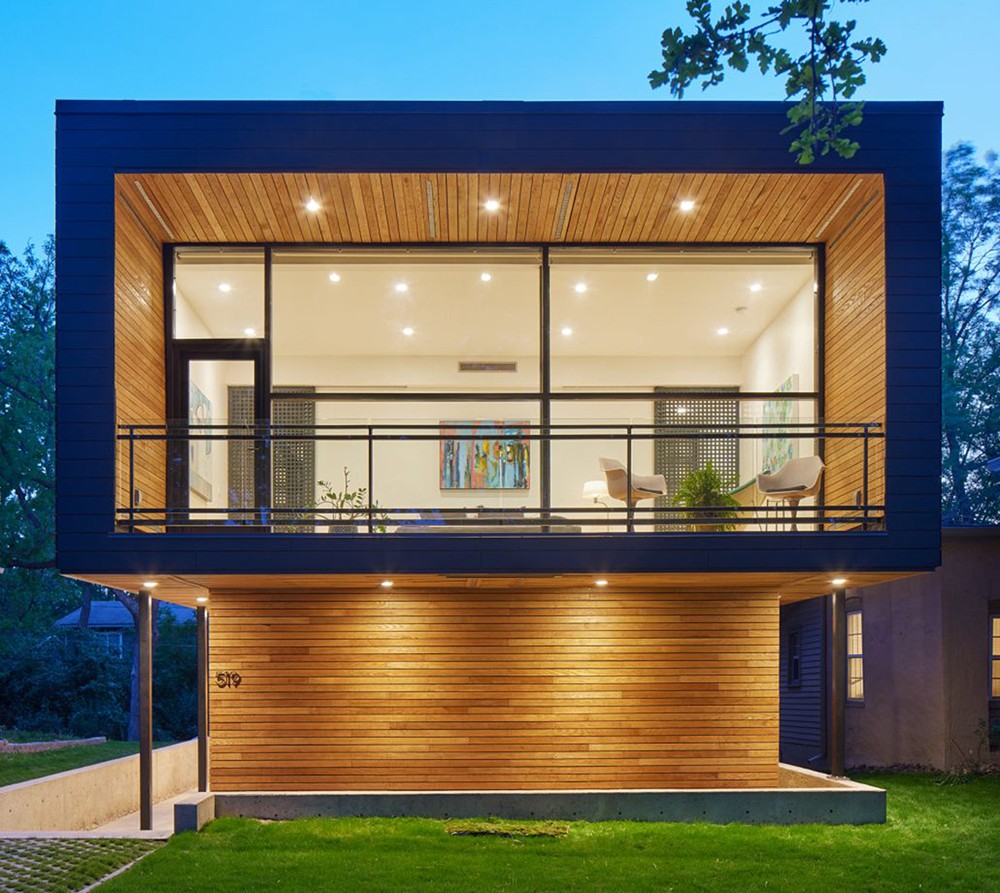
Siding is where a lot of the architectural potential of these species opens up. Both are available in a Nickel Gap and V-groove profile across 1x6, 1x5, and 1x4 sizes. The same tight grain and consistent milling that make these woods work well underfoot carry over to a vertical application.
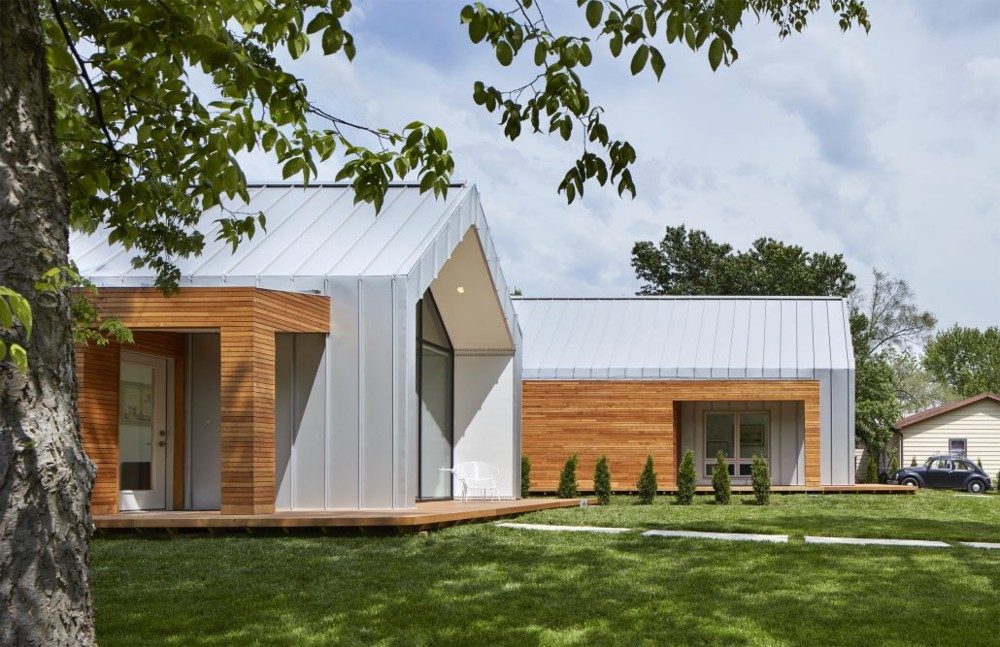
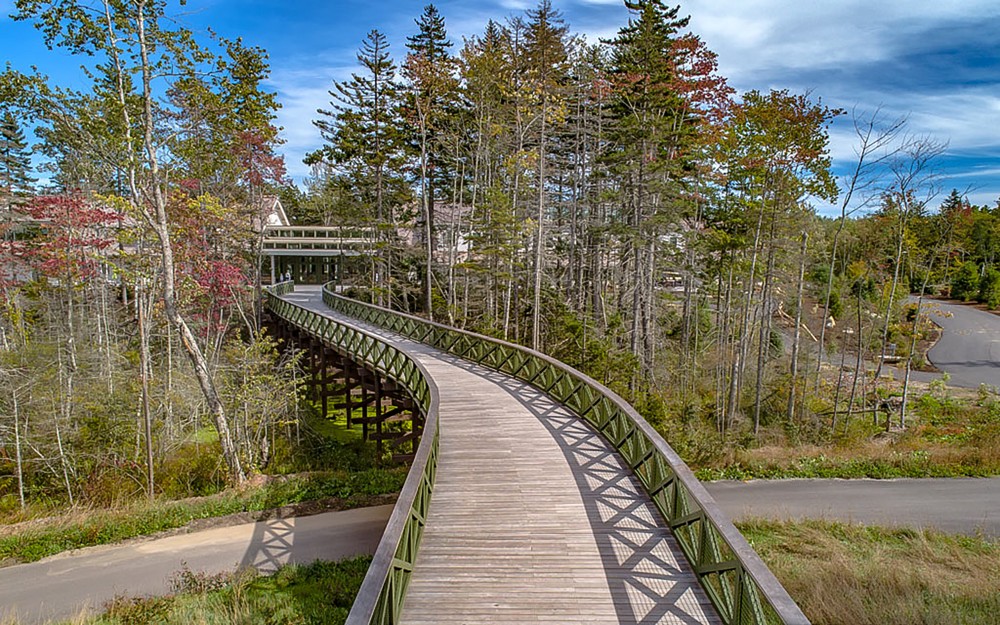
Beyond decking and siding, both species extend into structural lumber, posts, and glulams, along with garden boxes, split rail fencing, and palisades for landscape and screening applications. Robi Decking also produces live edge slabs, furniture-grade material, and permeable end-grain wood pavers.
Sourcing and Sustainability
Growth rate is often treated as shorthand for sustainability, but it's only one piece of the picture. How a forest is managed, whether the species regenerates naturally or requires replanting, how it's harvested, and how far the material travels before installation all factor into the full sustainability picture, alongside how long the finished product lasts in service.
Black Locust and Sassafras are both native, self-regenerating species harvested domestically, which shortens the supply chain compared to material shipped from tropical forests overseas and gives specifiers more visibility into where the wood is coming from. FSC-certified wood is available for projects where third-party forestry certification is a requirement. Combined with a growth cycle measured in decades rather than centuries, these are meaningful sourcing advantages, worth weighing alongside performance rather than treated as the whole argument on their own.
That's part of why more architects are looking at domestic hardwoods for applications where a tropical species was once the default. The underlying CITES treaty listing that added Ipe and Cumaru to Appendix II was adopted in late 2022, with implementation following over the next several years. It doesn't ban trade in these species, but it does add documentation and permitting requirements to their international movement. For projects where sourcing transparency and supply chain simplicity matter, that's part of a broader shift toward considering domestic options.
Where Black Locust and Sassafras Fit
Black Locust and Sassafras give architects and builders another category to consider between treated softwoods and imported tropical hardwoods. Native species bring documented decay resistance, a domestic supply chain, and applications that extend from decking to siding to landscape elements. For projects where sourcing transparency, natural durability, and design flexibility all matter, Black Locust and Sassafras are worth a closer look.
Visit robidecking.com to explore Robi Decking's full product line, technical data, and grading and certification options in more detail. Revit files for Black Locust and Sassafras decking and siding products are available on BIMsmith.
--
 BIMsmith is the leading free cloud platform for architects, designers, and building professionals to research, select, and download building product data. Search, discover, compare, and download free Revit families on BIMsmith Market, or build complete, data-rich Revit wall, floor, ceiling, and roof systems faster with the BIMsmith Forge Revit configurator.

Comments